Manuel Antonio, Costa Rica: Complete 2026 Guide to the National Park and Beaches
Short answer: Manuel Antonio is Costa Rica's most famous coastal national park: white-sand beaches backed by rainforest where sloths, capuchin monkeys and squirrel monkeys are everyday sightings. It is on the Central Pacific coast, about 167 km and 3 hours from San José. The park is closed on Tuesdays, opens from 7:00 a.m. to 4:00 p.m., and tickets ($18.08 for foreign adults) are sold only online through SINAC. Go early, hire a certified guide and plan at least two nights in the area.
We are ISA Travel, a Costa Rican tour operator that drives travelers to Manuel Antonio every week. This guide covers how to visit the park, what you will see, the beaches, where to stay and the mistakes that cost first-timers their visit.
Table of Contents
- Manuel Antonio at a Glance
- Why Visit Manuel Antonio
- How to Get to Manuel Antonio
- Visiting Manuel Antonio National Park
- Wildlife You Can See
- The Beaches
- Other Things to Do in the Area
- Where to Stay
- Best Time to Visit Manuel Antonio
- Common Mistakes to Avoid
- Frequently Asked Questions
- Final Thoughts
Manuel Antonio at a Glance
| Fact | Detail |
|---|---|
| Location | Central Pacific coast, next to the town of Quepos |
| Distance from San José | 167 km, about 3 hours by road |
| Park hours | 7:00 a.m. to 4:00 p.m.; beaches close at 3:00 p.m. |
| Closed | Every Tuesday |
| Entrance fee | $18.08 for foreign adults; reduced rate for children |
| Tickets | Online only, through the official SINAC platform; no ticket booth |
| Recommended stay | Two nights |
| Best months | December to April for the driest weather; mornings are good all year |
Why Visit Manuel Antonio
Manuel Antonio is one of the smallest national parks in Costa Rica, but few places pack so much into so little space. In a single morning you can walk through rainforest, watch a sloth sleeping above the trail, see a troop of white-faced capuchins cross the canopy and swim at a beach framed by jungle.
It is also one of the few places in the country where you can see the Central American squirrel monkey, a small, vulnerable species found only along the central and southern Pacific coast of Costa Rica and in neighboring western Panama.
How to Get to Manuel Antonio
- Private transfer: the most comfortable option, door to door from San José or the airport. Our San José to Manuel Antonio transfer covers 167 km in about 3 hours, via Route 27 and the coastal Route 34.
- Shared shuttle: runs daily from San José, La Fortuna and Monteverde.
- Public bus: direct buses from San José to Quepos and Manuel Antonio; slower but very cheap.
- Domestic flight: small planes fly to Quepos in under 30 minutes.
- Rental car: the road is paved and straightforward, but parking near the park entrance fills up early, and car break-ins are a real risk.
On the way back, remember that Route 27 into the Central Valley backs up on Sunday afternoons, when the whole country returns from the beach.
Visiting Manuel Antonio National Park
Tickets and hours
There is no ticket booth at the entrance: tickets must be bought in advance on the official SINAC website, and each ticket is for a single entry. The park opens from Wednesday to Monday, 7:00 a.m. to 4:00 p.m., and is closed every Tuesday. Daily capacity is limited, so in high season and on weekends, buy your tickets several days ahead.
Rules to know
- Food: food is generally not allowed inside the park, and rangers check bags at the entrance. The rule protects the animals, which become aggressive when tourists feed them. Bring water in a reusable bottle.
- Do not feed the animals: it is illegal and makes them sick. Keep your bag closed on the beach, because capuchins and raccoons are experts at stealing.
- No smoking, alcohol or drones.
- Single entry: if you leave, you need a new ticket to come back in.
Should you hire a guide?
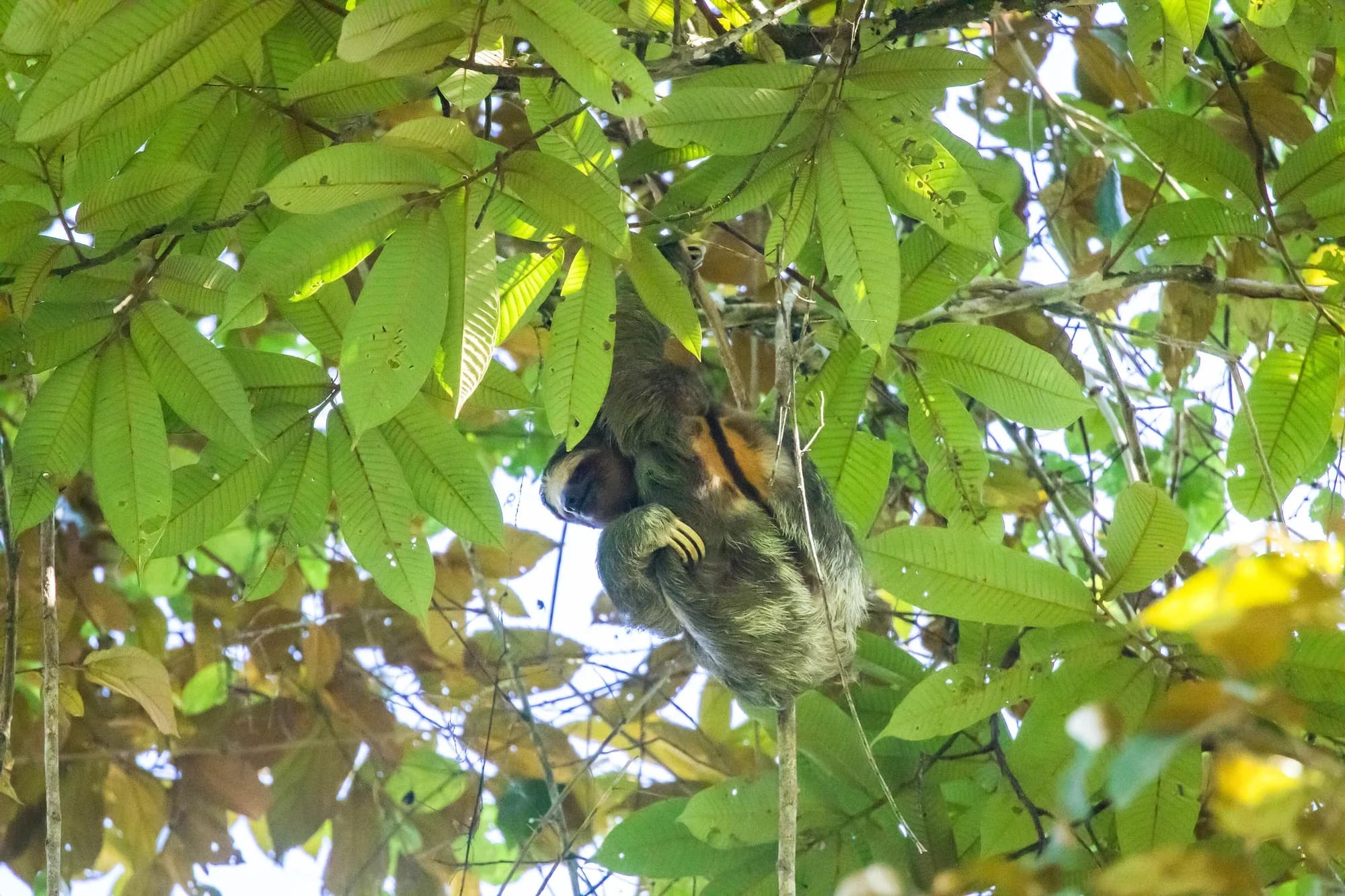
Yes. It is the single best investment of your visit. Without a guide, most visitors walk right past sloths and snakes camouflaged in the trees. A certified naturalist guide carries a spotting scope, knows where the animals are that week and shows you dozens of species you would otherwise miss. Make sure the guide carries official ICT identification, and avoid unofficial guides who approach you on the street.
Trails
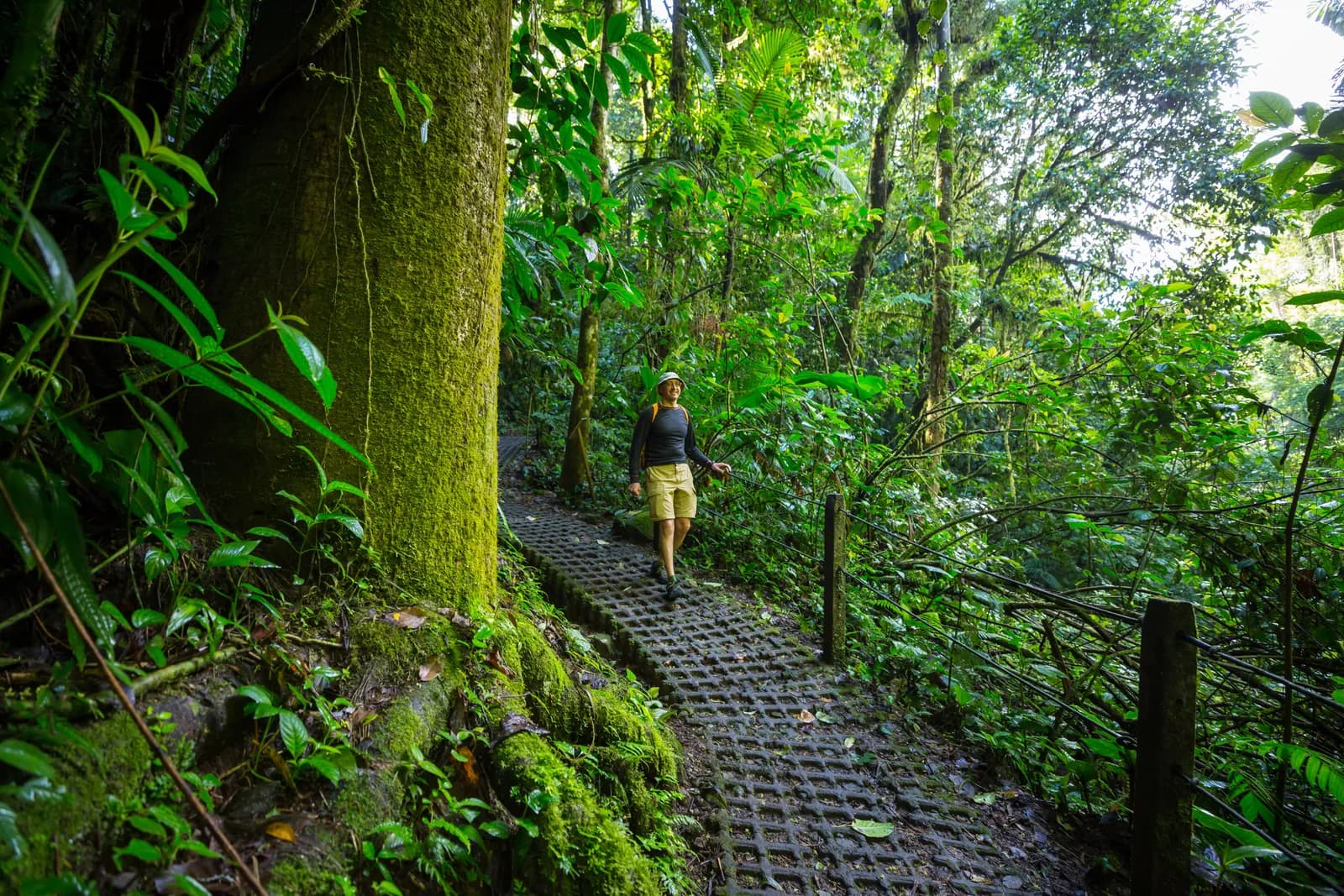
The main trail is flat, wide and easy, suitable for families and people with limited mobility, and leads to the park's beaches. Shorter side trails climb to viewpoints over the coast and the Punta Catedral peninsula. A visit of three to four hours, ending with a swim, is ideal.
Wildlife You Can See
- Sloths: both two-toed and three-toed sloths, usually sleeping high in the trees.
- Monkeys: white-faced capuchins, mantled howler monkeys and the Central American squirrel monkey.
- Other mammals: raccoons, coatis, agoutis and bats.
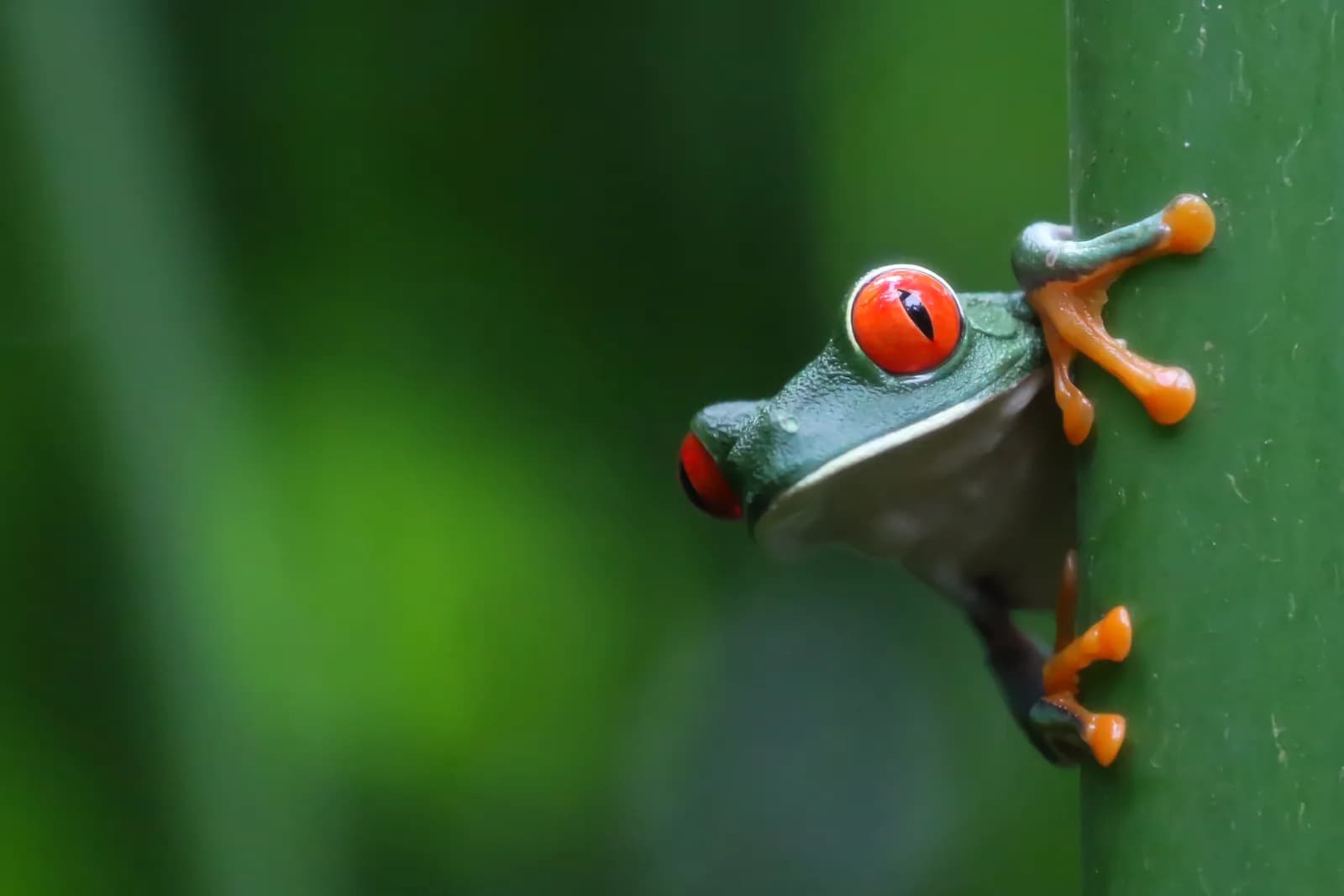
- Reptiles and amphibians: green and black iguanas, basilisk lizards and, with a guide, snakes and frogs.
- Birds: toucans, woodpeckers, herons and frigatebirds over the coast.
The best time to see animals is right at opening, at 7:00 a.m., before the heat and the crowds.
The Beaches
- Playa Manuel Antonio (inside the park): the most beautiful, a calm bay of white sand surrounded by forest, ideal for swimming.
- Playa Espadilla Sur (inside the park): a long, quieter beach on the other side of the isthmus.
- Playa Espadilla (outside the park): the long public beach in front of the town, with restaurants, umbrellas and surf lessons. It has strong rip currents: swim only where lifeguards or locals do.
- Playa Biesanz (outside the park): a small, sheltered cove, good for snorkeling on calm days.
Rip currents are one of the main risks on Costa Rica's Pacific coast. If one pulls you out, do not fight it: float and swim parallel to the shore. Our guide Is Costa Rica Safe? explains how to recognize them.
Other Things to Do in the Area
- Catamaran tour: sailing along the coast with snorkeling, and dolphins on many days.
- Mangrove kayaking: calm channels near Quepos, good for birds and crabs.
- Sportfishing: Quepos is one of the country's main fishing ports.
- Zipline and adventure tours in the hills above town.
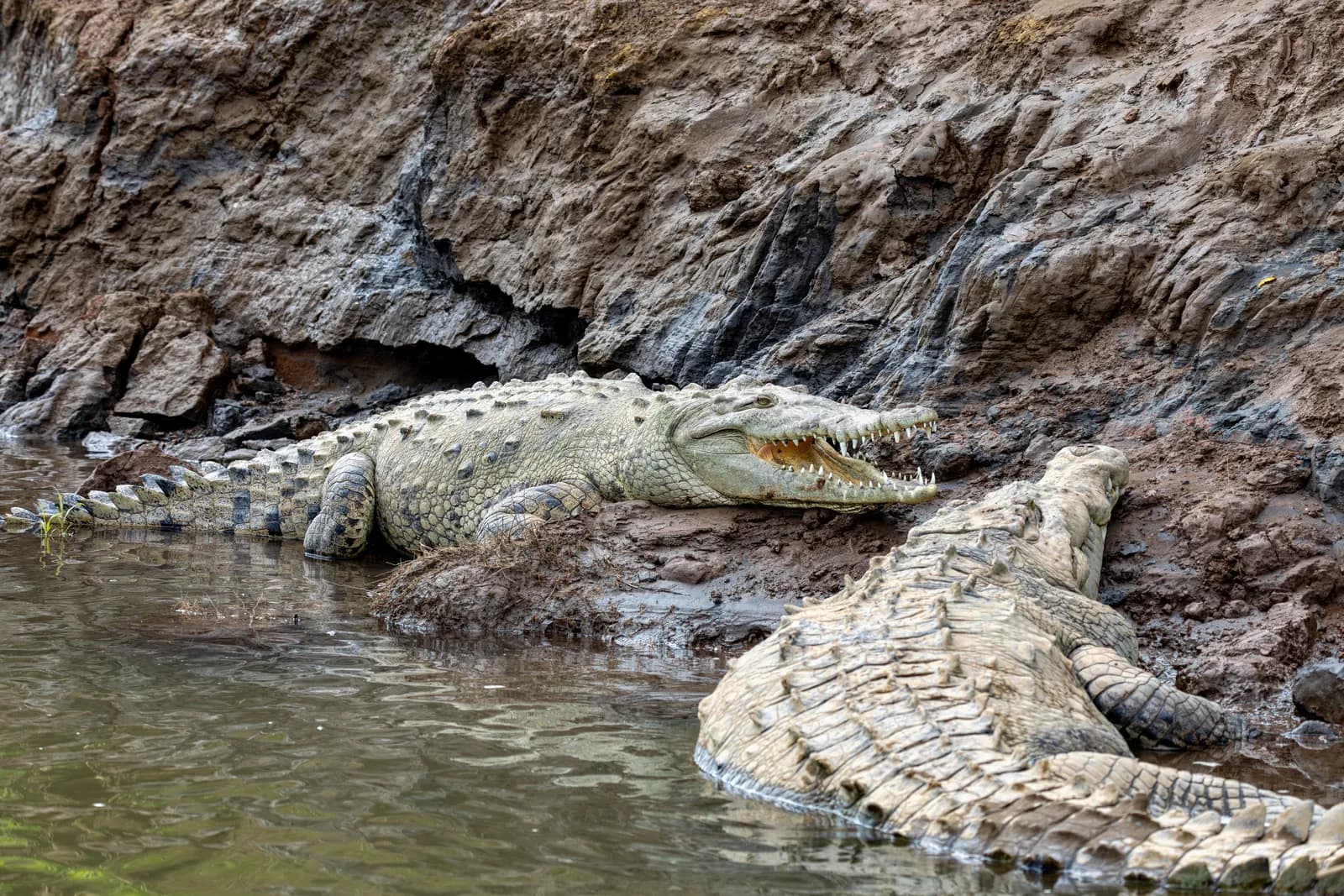
- Carara National Park: on the way from San José, famous for scarlet macaws and the crocodiles of the Tárcoles River. We visit it on our Carara and Tárcoles day tour.
- Bahía Ballena and Uvita: about an hour south, for humpback whales in season. See our Bahía Ballena transfer.
Where to Stay
- The hill road between Quepos and the park: most hotels are here, many with ocean views and monkeys in the garden. Ideal for couples and anyone who wants a view.
- Near the park entrance and Playa Espadilla: walking distance to the beach and the park, convenient for families.
- Quepos: the cheapest option, with more local restaurants and the marina.
Two nights are enough to visit the park without rushing and enjoy the beach. Three or four let you add a catamaran or a day trip to Uvita.
Best Time to Visit Manuel Antonio
The dry season, from December to April, brings the most reliable sunshine and the most visitors. The green season, from May to November, is lusher, cheaper and quieter, with sunny mornings and rain usually in the afternoon. September and October are the wettest months on the Pacific coast. Whatever the season, visit the park in the morning. Our month-by-month guide has the details.
Common Mistakes to Avoid
- Showing up on a Tuesday. The park is closed.
- Arriving without tickets. They are sold only online.
- Bringing a picnic. Most food will be left at the entrance.
- Arriving at midday. Fewer animals, more heat and more people.
- Leaving things in the car or unattended on the beach.
- Visiting on a day trip from San José. Six hours on the road for a three-hour visit is not worth it.
Frequently Asked Questions
Is Manuel Antonio worth visiting?
Yes. It combines rainforest, abundant wildlife and some of the most beautiful beaches in Costa Rica in a small, easy-to-walk park. It is a highlight for most visitors, especially families.
What day is Manuel Antonio National Park closed?
Every Tuesday. It opens from Wednesday to Monday, 7:00 a.m. to 4:00 p.m., and the beaches inside the park close at 3:00 p.m.
How much does it cost to enter Manuel Antonio?
$18.08 for foreign adults, with a reduced rate for children. Tickets must be bought in advance on the official SINAC website, as there is no ticket booth at the entrance.
Do I need a guide in Manuel Antonio?
It is not mandatory, but it is highly recommended. A certified guide with a spotting scope will show you sloths, snakes and other animals that are almost impossible to spot on your own.
Can I bring food into Manuel Antonio?
Food is generally not allowed, and rangers check bags at the entrance. The rule protects the animals. Bring water, and eat before or after your visit.
How far is Manuel Antonio from San José?
About 167 km and 3 hours by private transfer, via Route 27 and Route 34. Allow more time on Sunday afternoons, when traffic back to the Central Valley is heavy.
How many days do I need in Manuel Antonio?
Two nights is ideal: one morning for the national park and time to enjoy the beach. Three or four nights let you add a catamaran, kayaking or a day trip to Uvita.
Is it safe to swim at Manuel Antonio?
The beaches inside the park are usually calm. Playa Espadilla, outside the park, has strong rip currents: swim only where lifeguards or locals do, never alone, and never after drinking.
Can you see sloths in Manuel Antonio?
Yes, both two-toed and three-toed sloths live in the park and are seen almost every day, usually with the help of a guide's spotting scope.
Final Thoughts
Manuel Antonio is where Costa Rica's rainforest meets the Pacific, and few places in the world let you see so much wildlife before breakfast and swim at a perfect beach before lunch. Plan around the Tuesday closure, buy your tickets early, go with a guide at opening time and give yourself two nights. The park will do the rest.
Planning your trip to Manuel Antonio? ISA Travel offers private transfers from San José and the airport, and multi-day packages that combine Manuel Antonio with Monteverde, Arenal and Río Celeste. → See the Manuel Antonio transfer
A local team that has been planning and running trips across Costa Rica since 2014.