
Best Time to Visit Costa Rica: The Complete 2026 Guide (Month by Month)
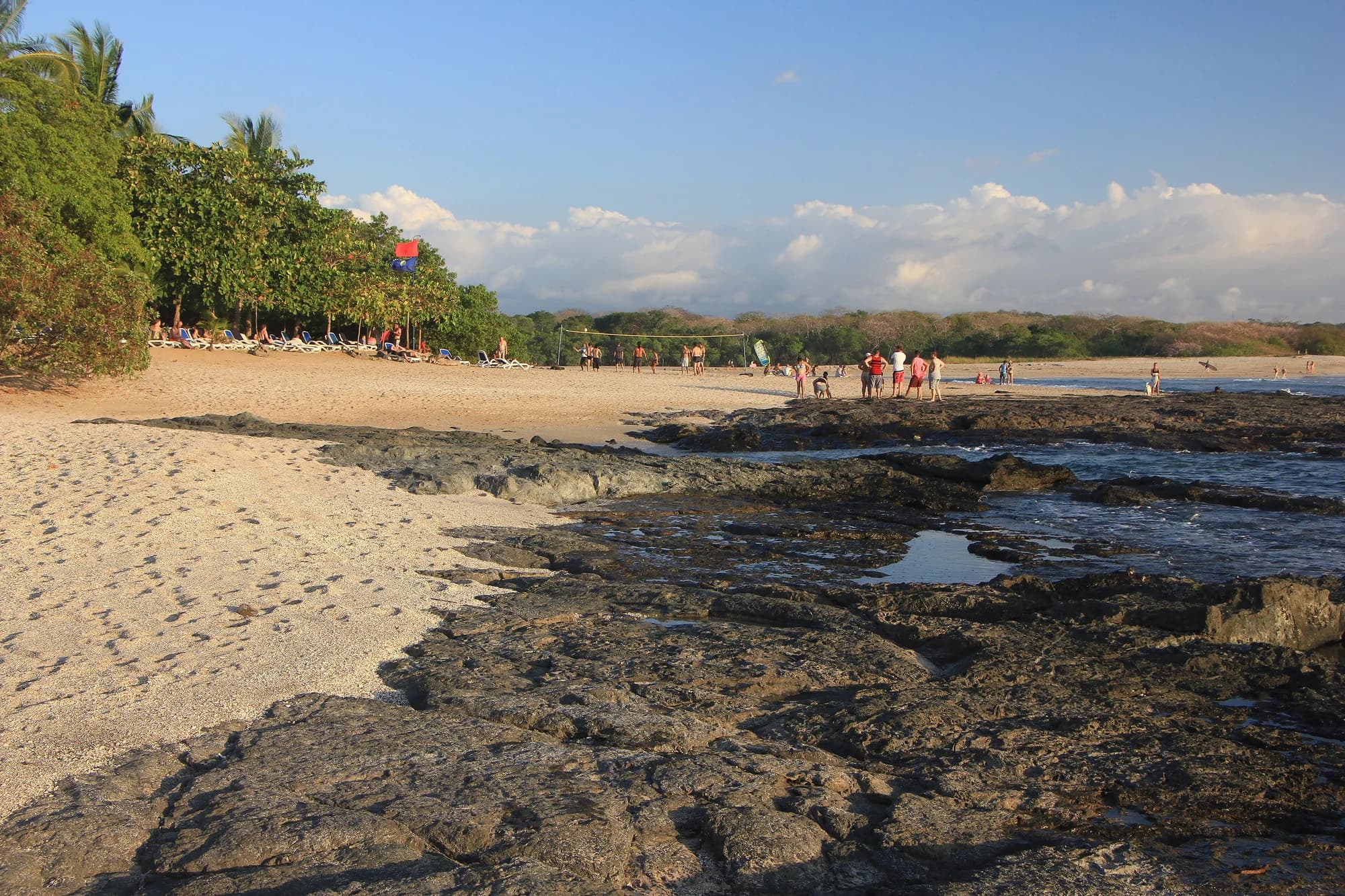
Ask a Costa Rican when you should visit and you'll get a smile and a very honest answer: depende (it depends). Costa Rica is barely the size of West Virginia, yet it holds a dozen microclimates, two coastlines that follow opposite rain patterns, and a wildlife calendar that never stops. The "best" time to visit Costa Rica genuinely depends on which Costa Rica you're after: bone-dry Guanacaste beaches, whales breaching off the south Pacific, turtles nesting on the Caribbean, or rainforests at their greenest.
We're a Costa Rica–based travel team, and timing questions are the ones we answer most. So this is the full picture, the way we explain it to our own clients: how the dry and green seasons actually feel, how each region behaves, what every month offers, when wildlife shows up, when prices spike, and the timing mistakes that quietly cost travelers their best days.
By the end, you'll know exactly which dates belong on your Costa Rica itinerary.
Table of Contents
- Costa Rica's Seasons at a Glance
- Dry Season vs. Green Season
- Costa Rica Weather by Region
- Costa Rica Month by Month
- The Best Time to Visit Costa Rica for...
- High Season vs. Low Season: Crowds, Prices & Booking Windows
- What About Hurricane Season?
- Festivals & Holidays Worth Planning Around
- Common Mistakes Travelers Make
- Frequently Asked Questions
- Final Thoughts
Costa Rica's Seasons at a Glance
If you only remember five things, make them these:
- Best overall weather: February and March: the driest, most reliable stretch on the Pacific side and in the mountains.
- Best value with great weather: May–June and November, the shoulder months.
- The insider window: mid-June to mid-July, when a brief dry spell called the veranillo interrupts the rains.
- The Caribbean plays by opposite rules: September and October (the wettest months on the Pacific) are its sunniest.
- Avoid (or book far ahead for): December 20–January 5 and Easter week, when prices and crowds peak.
Everything below explains the why, and helps you match the calendar to your trip.
Dry Season vs. Green Season
Costa Rica doesn't have four seasons; it has two, and locals name them with charming optimism: verano (summer) for the dry months and invierno (winter) for the rainy ones, even though temperatures barely change all year. On the coasts expect 85–93°F (29–34°C) every month; in the Central Valley, a springlike 72–80°F (22–27°C); in the cloud forests, cool enough for a fleece.
Dry Season (Mid-December to April)
This is the Costa Rica of the brochures: blue skies, dusty roads in Guanacaste, volcanoes standing cloud-free at dawn. The northern Pacific can go weeks without a drop, especially January through March, and steady trade winds (the vientos navideños, or Christmas winds) keep December and January breezy. It's peak season for a reason: trails are dry, sunsets are dependable, and every tour runs on schedule. The trade-offs are real, though: the highest prices of the year, the biggest crowds, and by late March, a northern landscape that turns golden-brown and thirsty. One more nuance: "dry season" is a Pacific and Central Valley concept. The Caribbean and the rainforests never fully stop raining, which is exactly why they're rainforests.
Green Season (May to November)
Here's what most first-timers don't realize: a typical green-season day is not a washed-out day. The rhythm is remarkably consistent: bright, sunny mornings; clouds building after lunch; a hard, dramatic downpour (the afternoon aguacero) somewhere between 2 and 5 p.m.; then a clearing, fresh evening. Plan activities for the morning, a hot spring or hammock for the afternoon, and you'll barely feel interrupted. In exchange you get the country at maximum saturation: full waterfalls, thundering rafting rivers, baby animals, and rates 10–30% lower with a fraction of the visitors. September and October bring the heaviest rain to the Pacific side, and, as you'll see, that's precisely when smart travelers switch coasts.
The Veranillo: Costa Rica's "Little Summer"
Around mid-June, the rains often pause for two to four weeks: a phenomenon locals call the veranillo de San Juan, or little summer. Landscapes are already lush from May's rains, yet mornings and many afternoons stay dry. It's one of our favorite windows to send travelers: green-season prices and scenery with near-dry-season sunshine. The catch? It overlaps North American and European summer vacations, so while it's technically "low season," flights and family-friendly hotels fill up. Book this window like it's high season and enjoy it like a secret.
Not sure which season fits your trip? Tell us your dates, or your dream, and we'll design the route around the weather, not against it. → Plan your Costa Rica trip
Costa Rica Weather by Region
In Costa Rica, where matters more than when. Two hours of driving can move you between entirely different climates.
Guanacaste & the North Pacific (Tamarindo, Papagayo, Nosara)
The driest region in the country. From November through August you can reasonably expect beach weather, and January through March is virtually rainless. September and October bring short, intense storms, but also emerald hills, empty beaches, and the year's best prices in a region famous for sunshine.
Central Pacific (Jacó, Manuel Antonio)
The classic pattern in its purest form: superb from December through April, pleasantly rainy May through August, wettest in September and October. Manuel Antonio's wildlife doesn't care either way: sloths and squirrel monkeys show up in any forecast.
South Pacific & the Osa Peninsula (Uvita, Dominical, Drake Bay, Corcovado)
The wildest, wettest Pacific zone. December through April offers the easiest trail conditions for Corcovado. But the green season is when this coast performs: humpback whales fill Marino Ballena's waters from July to October. Fair warning: a few remote Osa lodges close each October to wait out the heaviest rains.
Caribbean Coast (Tortuguero, Cahuita, Puerto Viejo)
Forget everything above: the Caribbean follows its own rhythm. Its sunniest stretches are typically February–March and (surprise) September–October. Its rainiest months are November through January and July. Green sea turtles nest at Tortuguero from July to October, giving this coast two completely different reasons to visit.
Arenal & the Northern Lowlands (La Fortuna)
Caribbean-influenced, which means rain is possible any month and the volcano makes its own clouds. February through April is driest; September and October are far gentler here than on the Pacific coast. For the full breakdown of the region, see our La Fortuna travel guide.
The Highlands (Monteverde, San Gerardo de Dota, the Central Valley)
Cooler, mistier, and moodier: pack a real jacket for cloud-forest mornings in the 50s°F (low teens °C). December through April brings clearer trails but strong winds in Monteverde; the resplendent quetzal nests roughly February through June, the best window to see one. San José and the Central Valley enjoy "eternal spring" all year, which is why Costa Ricans live there.
Costa Rica Month by Month
Here's how the year actually unfolds on the ground: weather, crowds, prices, and what each month does better than any other.
January
Dry season in full stride: sunny Pacific days, breezy nights courtesy of the Christmas winds, and volcano views that stick around past breakfast. The first week is still peak-holiday busy (and priced accordingly), but after January 6 crowds ease while the weather doesn't. Mid-month brings the Fiestas de Palmares, a two-week, full-throttle Costa Rican fair of concerts, tope horse parades, and bullring antics. The Caribbean is still shaking off its rainy stretch.
Best for: dependable sunshine, post-holiday high season with slightly saner prices.
February
If we had to pick one month, this is it. The driest, calmest weather of the year settles over the Pacific and the mountains, the winds of December fade, and the holiday crowds are gone. Quetzal nesting season begins in the highlands, and the Envision Festival draws a colorful crowd to Uvita late in the month. Book early: travelers have figured February out.
Best for: near-guaranteed sun, honeymoons, cloud-forest hikes, first-time visitors who want everything to go right.
March
The heat turns up and Guanacaste goes full gold: parched, dramatic, and hot (mid-90s°F near the coast). Skies stay reliably clear countrywide, making this prime beach-and-volcano weather. Crowds swell around North American spring break, and if Easter falls in late March (as it does in 2027), the entire country goes on vacation with it.
Best for: beach lovers, guaranteed pool weather, travelers who don't mind sharing the sunshine.
April
The hottest, thirstiest end of the dry season, and a month of two personalities. Easter week (April 5 in 2026) is Semana Santa, when Costa Rican families migrate en masse to the beaches; hotels sell out months ahead and some services pause on Holy Thursday and Friday. After Easter, prices dip, crowds thin, and the first rains begin greening the southern Pacific. Late April is a quietly excellent deal.
Best for: dry-season weather at shoulder-season prices, if you dodge Holy Week.
May
The green season arrives, and the country exhales. Within two weeks, brown hills turn emerald, waterfalls wake up, and afternoon showers reset the air. Mornings remain gloriously sunny, tourism drops to a murmur, and rates fall 10–30%. Surfers celebrate: the Pacific's bigger southern swells start rolling in.
Best for: value hunters, photographers, couples who want popular places nearly to themselves.
June
Rains settle into their afternoon routine while mornings stay bright and productive. Rivers pump (this is when white-water rafting on the Balsa and Sarapiquí gets genuinely fun), and everything is green enough to hurt your eyes. Late in the month, the veranillo often begins, sneaking in days of full sunshine.
Best for: rafting, lush landscapes, green-season prices before the summer bump.
July
The veranillo holds through mid-month, and Northern Hemisphere summer vacations bring a mini high season. It's "low season" in name only, so book ahead. Two spectacular arrivals: humpback whales from the Southern Hemisphere reach the Uvita coast, and green sea turtles begin nesting at Tortuguero. July 25 is Guanacaste Day, celebrated hardest in the province itself.
Best for: families on summer break, whale watching's opening act, turtle season's first nests.
August
Deep green season, and one of the most underrated months. Mornings are still reliable, whale numbers build toward their peak, Tortuguero's turtle nesting hits full stride, and Ostional's olive ridley arribadas (mass nesting events of thousands of turtles) grow larger. On August 2, some two million Costa Ricans walk the romería pilgrimage to Cartago, one of the country's most moving traditions.
Best for: wildlife in overdrive, cultural immersion, solid weather at green-season rates.
September
The Pacific's rains intensify, and the Caribbean throws its annual party. September and early October are Puerto Viejo and Cahuita at their sunniest, while Uvita hosts the whale festival during peak humpback season. On the night of September 14, children parade with handmade faroles (lanterns) ahead of Independence Day. Prices nationwide hit their lowest.
Best for: the Caribbean coast, whale watching at its peak, travelers chasing the year's best deals.
October
The rainiest month on the Pacific: landslides can close mountain roads, and a few Osa lodges shutter. Yet October rewards the flexible. The Caribbean stays in its sunny window, Limón throws its carnival-style celebrations around October 12, and Ostional's arribadas reach their peak on the year's darkest nights. Go Caribbean, stay loose, and you'll have a brilliant trip.
Best for: adventurous travelers, the Caribbean's second summer, turtle arribadas.
November
The comeback month, and our favorite secret. Rains taper from mid-month, landscapes hold their maximum green, waterfalls still thunder, and the dry-season machine hasn't switched on yet. You get freshly rinsed, spectacular scenery with November prices and December weather arriving early. The first northern humpbacks appear late in the month.
Best for: the green-season/dry-season sweet spot, photographers, savvy repeat visitors.
December
Two Decembers exist. December 1–19 is a gem: dry days return, everything is still lush, the Festival de la Luz lights up San José, and prices haven't spiked. Then December 20 flips the switch: peak crowds, peak rates, minimum-night stays, and the year-end Zapote festival's gleeful chaos. If you're coming for the holidays, book six to nine months out and embrace the energy.
Best for: early December for the savvy; the holidays for those who plan far ahead.
Already know your travel dates? Send them over and we'll match the month to the right coast, route, and experiences. → Request a private tour
The Best Time to Visit Costa Rica for...
Beach sunshine: January through March in Guanacaste, where rain is a rumor. December and April bookend it nicely.
Wildlife overall: every month. This is Costa Rica. Dry season concentrates animals around water sources; green season brings births, breeding plumage, and busier forests. A good guide matters more than the calendar.
Whale watching: Uvita's Marino Ballena National Park hosts one of the longest humpback seasons on the planet, because two separate migrations visit: Southern Hemisphere whales from July to October (peak August–September) and Northern Hemisphere whales from December to March.
Sea turtles: green turtles at Tortuguero July–October; olive ridley arribadas at Ostional August–December (strongest around the new moon); Pacific leatherbacks at Las Baulas October–March.
Birding & quetzals: resplendent quetzals nest roughly February through June in Monteverde and San Gerardo de Dota. Overall birding is superb year-round: migrants join the residents October through April.
Surfing: the Pacific's biggest, most consistent swells run May through November; December–April serves cleaner, friendlier waves for learners. The Caribbean's legendary Salsa Brava breaks best December through March.
White-water rafting: June through October, when the Pacuare, Balsa, and Sarapiquí run high and lively.
Budget travel: May–June and September–November, avoiding holiday weeks. September–October is the absolute floor for prices.
Honeymoons: February for flawless weather, or November for lush landscapes, soft light, and privacy.
Families: the veranillo (mid-June to mid-July) aligns beautifully with school breaks; the December holidays work too if booked very early.
High Season vs. Low Season: Crowds, Prices & Booking Windows
High season (mid-December through April) brings the best Pacific weather and the highest demand. Expect rates 20–40% above green-season levels, with the steepest premiums (plus minimum-night requirements) around Christmas–New Year's and Easter. Popular hotels, the best naturalist guides, and even rental cars genuinely sell out for those weeks.
Green season (May through November) is Costa Rica on sale: discounts of 10–30%, tours running with half-empty vans, and room to be spontaneous (with the exception of the July mini-peak).
Practical booking windows we give our clients:
- Christmas, New Year's, Easter week: reserve 6–9 months ahead.
- January–April in general: 3–5 months ahead for first-choice hotels.
- Veranillo (mid-June–mid-July): 2–4 months ahead.
- Rest of the green season: a few weeks is usually plenty, one of its underrated luxuries.
One overlooked detail: book rental cars and private transfers as early as your hotels for peak weeks. Vehicles are the first thing to disappear.
What About Hurricane Season?
Here's a fact that surprises almost everyone: Costa Rica sits between roughly 8° and 11° north latitude, south of the Atlantic hurricane belt. Hurricanes track well to the north, and a direct hit is extraordinarily rare; Hurricane Otto in November 2016 was the first on record to cross the country. What Costa Rica does receive from distant storms is indirect rain, which can intensify normal wet-season downpours (Tropical Storm Nate's rains in October 2017 were the modern example). The practical translation: don't cancel a September or October trip over hurricane headlines. Plan for rain, build flexibility into mountain drives, and check the national weather service (IMN) like locals do.
Festivals & Holidays Worth Planning Around
Costa Rica's calendar can add magic to your dates, or eat your hotel availability. The ones that matter most to travelers:
- Fiestas de Palmares (two weeks, mid-January): the country's biggest fair: concerts, horse parades, fireworks.
- Envision Festival (late February/early March, Uvita): art, music, and yoga on the jungle coast.
- Semana Santa / Easter week (April 5, 2026; March 28, 2027): the national beach exodus. Book far ahead; some businesses pause Holy Thursday–Friday.
- Guanacaste Day (July 25): folklore, marimbas, and sabanero pride across the northwest.
- Romería (August 1–2): millions walk to Cartago's basilica. Expect closed roads around the Central Valley.
- Independence Day (September 15): lantern parades the night before, school bands everywhere the day of.
- Limón Carnival (around October 12): Afro-Caribbean music and culture at full volume.
- Festival de la Luz & Zapote (December): San José's light parade opens the month; the year ends with fairground fiestas.
Common Mistakes Travelers Make
Writing off the green season. The single most expensive misconception in Costa Rica travel. Rain arrives mostly in scheduled afternoon bursts; mornings belong to you, at a discount.
Assuming one national climate. Booking the Caribbean in December because "it's dry season" is how travelers end up soaked. Match each region to its own calendar.
Misreading rain forecasts. An "80% chance of rain" in the tropics usually means one intense afternoon hour, not a ruined day. Judge the month's pattern, not the app's icon.
Forgetting the tropics' clock. Sunrise is ~5:30 a.m. and sunset ~5:45 p.m. every single day (no daylight saving). Plan drives and activities like a local: early starts, evenings settled in.
Stumbling into Semana Santa unaware. Travelers book "quiet April" and land in the busiest domestic-travel week of the year. Check the Easter date before you commit.
Packing for summer only. Cloud forests drop into the 50s°F, boats get windy, and downpours find everyone eventually. A warm layer and a rain shell are year-round equipment.
Leaving zero slack in September–October. Heavy rain can slow mountain roads. Build buffer days, favor morning drives, or let a professional driver handle the wet stretches.
Demanding guarantees from nature. Volcano views, quetzals, and arribadas keep their own schedules. Give each headline sight a backup morning and the odds shift dramatically in your favor.
Traveling in the rainy months? Our private drivers know every mountain road, checkpoint, and shortcut. You watch the scenery, we watch the weather. → Book private transportation
Frequently Asked Questions
What is the best month to visit Costa Rica?
February: the driest, calmest, most reliable weather on the Pacific side and in the mountains, without December's holiday crowds. March is a close second; November is the best-value alternative.
When is the rainy season in Costa Rica?
May through November on the Pacific side and in the Central Valley, with September and October the wettest. The Caribbean coast differs: its rainiest months are November–January and July.
What is the cheapest time to visit Costa Rica?
September and October, when rates bottom out and deals abound. May, June, and November also offer strong discounts. Avoid holiday weeks, which are priced at peak regardless of season.
Does it rain all day during the green season?
Rarely. The typical pattern is a sunny morning, an intense afternoon shower between roughly 2 and 5 p.m., and a clear evening. Schedule activities early and you'll stay largely dry.
Is Costa Rica in the hurricane belt?
No. The country lies south of it. Direct hurricane strikes are extraordinarily rare (2016's Otto was the first recorded); the realistic effect of distant storms is extra rain in September–October.
When can you see whales in Costa Rica?
July through October for Southern Hemisphere humpbacks (the peak, celebrated with Uvita's September festival) and December through March for the northern migration, one of the longest whale seasons anywhere.
When do sea turtles nest in Costa Rica?
Green turtles at Tortuguero from July to October; olive ridley arribadas at Ostional peak August through December; Pacific leatherbacks nest at Las Baulas from October to March.
What is the worst time to visit Costa Rica?
There isn't one, only mismatches. September–October is tough for a Pacific-only beach trip but ideal for the Caribbean. The only dates we caution against unprepared are the un-booked-ahead Christmas and Easter weeks.
How far in advance should I book?
Six to nine months for Christmas, New Year's, and Easter; three to five months for the rest of high season; a few weeks is usually fine in the green season, except the July mini-peak.
Final Thoughts
Here's the truth behind every seasonal chart: Costa Rica doesn't really have a bad time; it has trade-offs, and the travelers who love their trip most are the ones whose expectations matched their dates. Come in February for certainty, in November for beauty, in September for whales and empty beaches, in the veranillo for the best of both worlds.
Pick your priority, let the calendar follow, and leave a little room for the country to improvise. It always does, and it's usually the part you'll talk about for years.
Want your dates turned into a day-by-day plan? ISA Travel designs private, fully personalized Costa Rica itineraries: routes, hotels, guides, and transport tuned to the season you're traveling in. → Contact ISA Travel
A local team that has been planning and running trips across Costa Rica since 2014.